
Has your partner become distant? Are you feeling unsure about where you stand in your relationship? During moments like these, a tarot reading may bring up cards connected with secrecy, temptation, or heartbreak.
But no tarot card can confirm that your partner is cheating. Cards can help you reflect on your feelings and relationship patterns; they cannot verify someone else’s private actions.
With that understanding, let’s explore seven cards often associated with questions about loyalty—and the different meanings they can carry.
By Konica Khurana | Tarot Reader & Healer
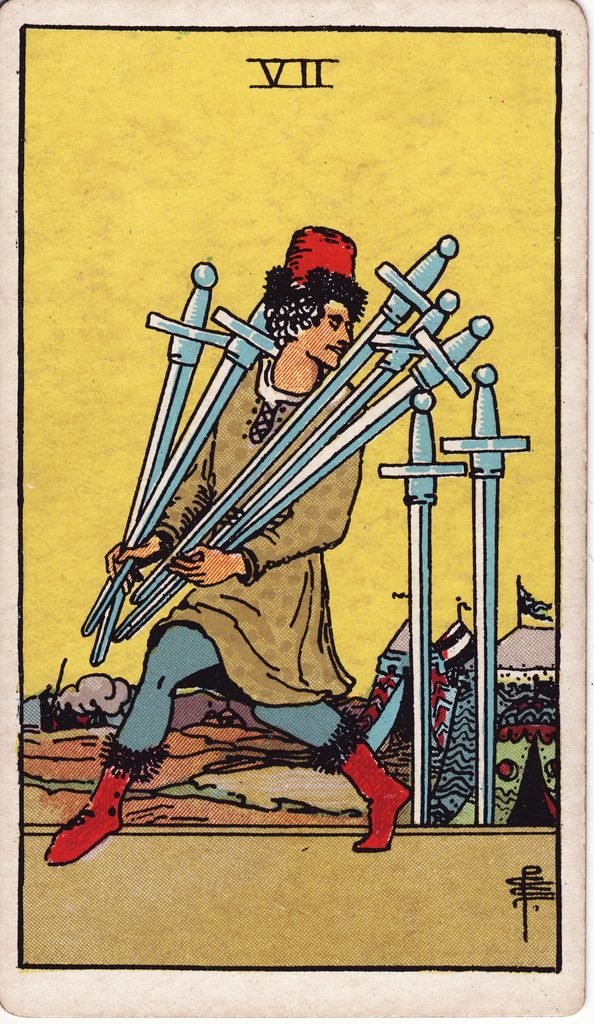
1. Seven of Swords: Secrecy and Avoidance
The Seven of Swords shows a figure carrying away swords while looking over their shoulder. Its imagery is often interpreted through themes of secrecy, strategy, or avoiding a direct conversation.
In a relationship reading, it may prompt questions about honesty and openness. Is there something you are finding difficult to discuss? Have important conversations been avoided?
However, this card does not automatically indicate an affair. It can also represent someone protecting their privacy, avoiding conflict, or struggling to express what they need.
Reflection question: “What conversation are we avoiding, and how can I approach it calmly?”
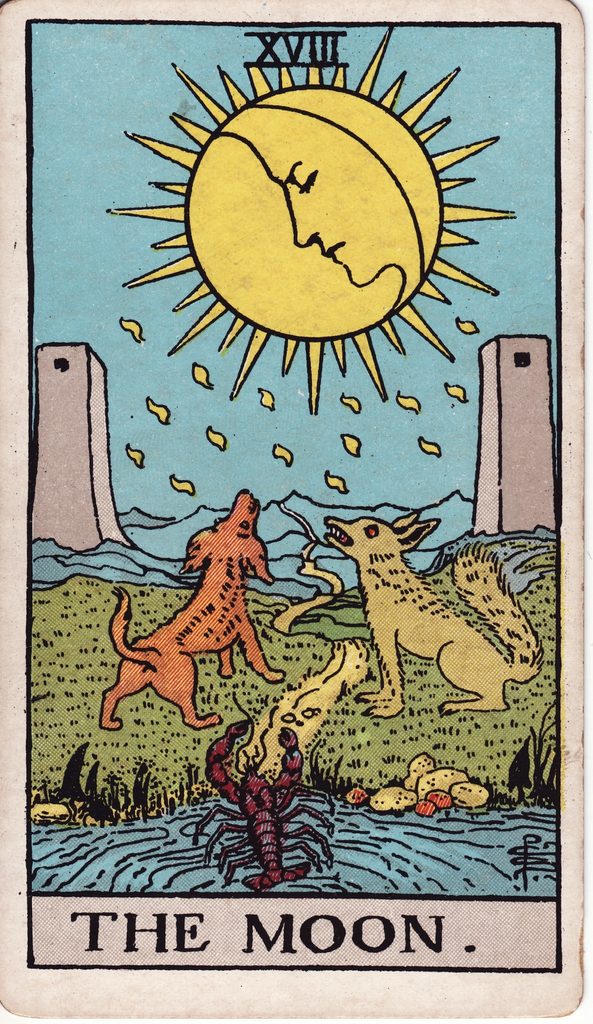
2. The Moon: Uncertainty and Fear
The Moon is associated with unclear situations, imagination, dreams, and the difficulty of finding your way when you cannot see everything.
In a love reading, it may reflect confusion about a partner’s behaviour—or anxiety shaped by previous experiences of betrayal.
The important distinction is between a feeling and a verified fact. Feeling unsettled deserves attention, but it does not establish that your partner has done something wrong.
Reflection question: “What do I actually know, and what am I assuming?”
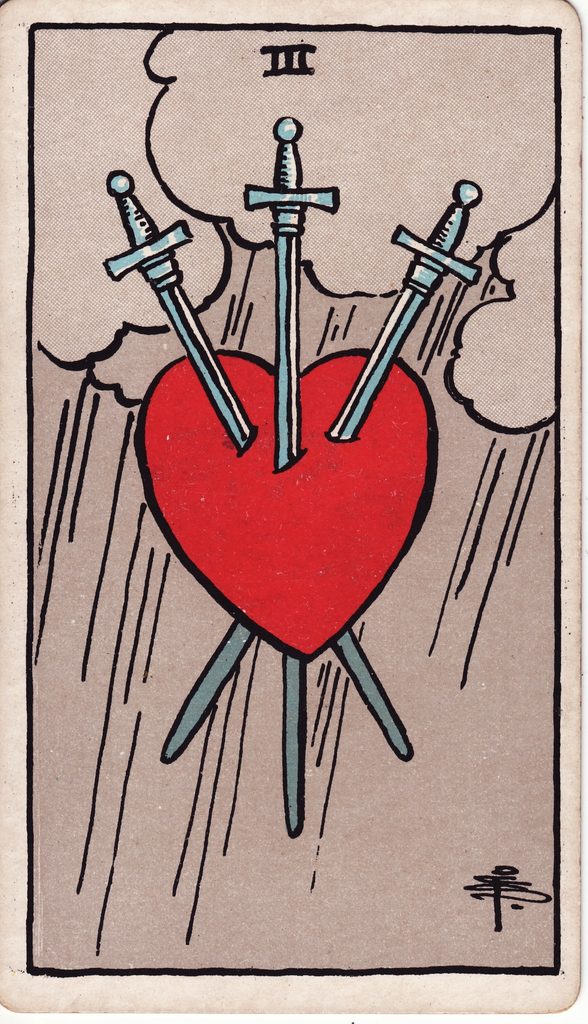
3. Three of Swords: Heartbreak and Painful Communication
The Three of Swords is one of tarot’s most recognisable images: a heart pierced by three swords. It is commonly associated with grief, disappointment, and emotional pain.
Some readers connect it with betrayal, but three swords do not mean three people. The card may relate to an argument, a separation, hurtful words, or an old wound that still affects the relationship.
Its most useful message is to acknowledge pain and understand where it comes from.
Reflection question: “What has hurt me, and what do I need to communicate or heal?”
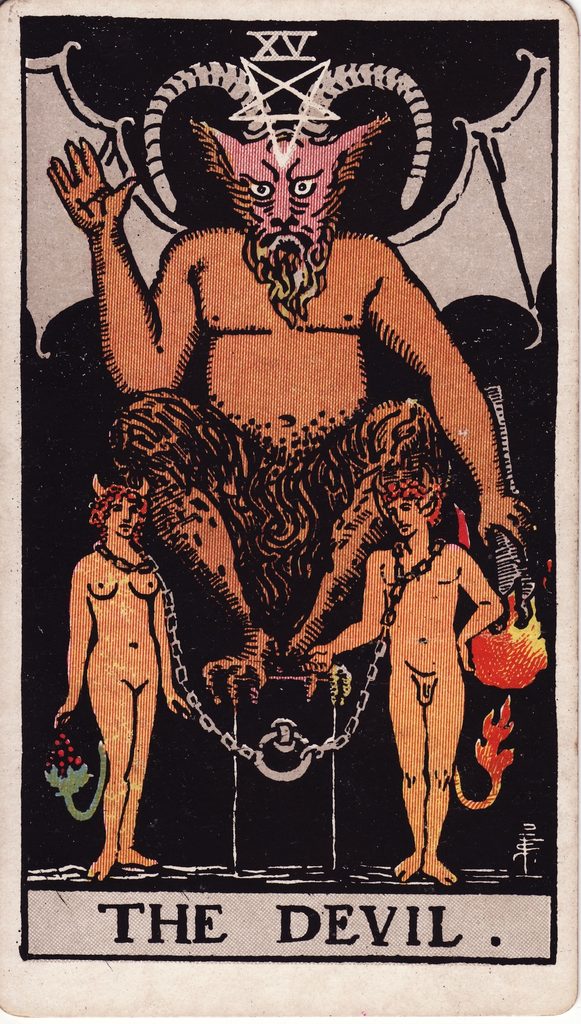
4. The Devil: Attachment, Temptation, and Unhealthy Patterns
The Devil is often interpreted through themes of desire, dependency, control, or feeling trapped in a repeating pattern.
In a relationship reading, it can encourage reflection on jealousy, possessiveness, strong physical attraction, or difficulty maintaining boundaries.
Although temptation is one possible symbolic meaning, this card cannot establish that someone has acted on it. It may be more useful to examine the quality of the relationship itself.
Reflection question: “Do I feel free, respected, and able to maintain my boundaries?”
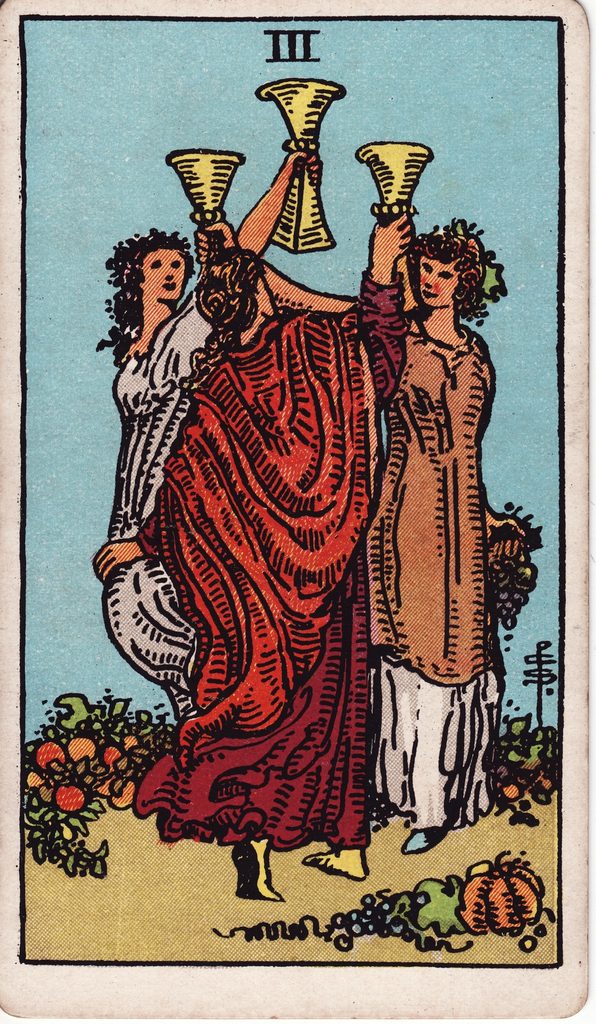
5. Three of Cups Reversed: Social Tension
Upright, the Three of Cups commonly represents friendship, celebration, and community. Reversed, some readers interpret it as social tension, exclusion, gossip, or imbalance between friendships and romantic commitments.
It is sometimes described as a “third-party card,” but that interpretation is far too narrow. Outside influence could involve friends, family expectations, or disagreements about social boundaries.
A reversed Three of Cups is not evidence of another romantic partner.
Reflection question: “Have we clearly discussed what feels respectful in our friendships and social lives?”
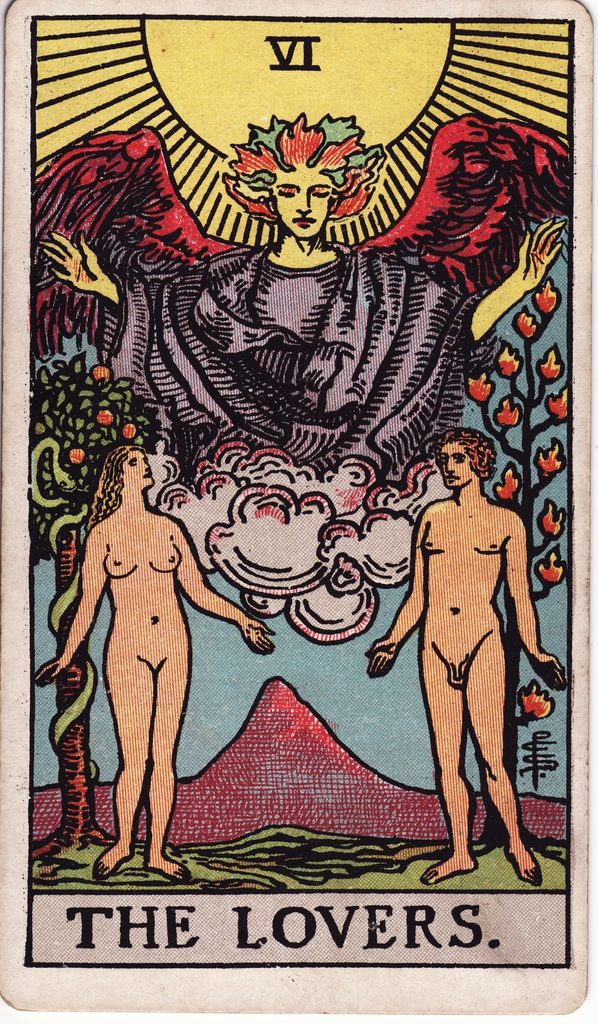
6. The Lovers Reversed: Misaligned Values
The Lovers is associated with connection, choice, and shared values. Reversed, it may symbolise disconnection, conflicting priorities, or uncertainty about commitment.
Two people can care about each other and still have very different expectations. One may want greater commitment while the other wants more independence. Neither situation necessarily involves cheating.
This card can offer a starting point for discussing what partnership means to both people.
Reflection question: “Are we choosing the same kind of relationship?”
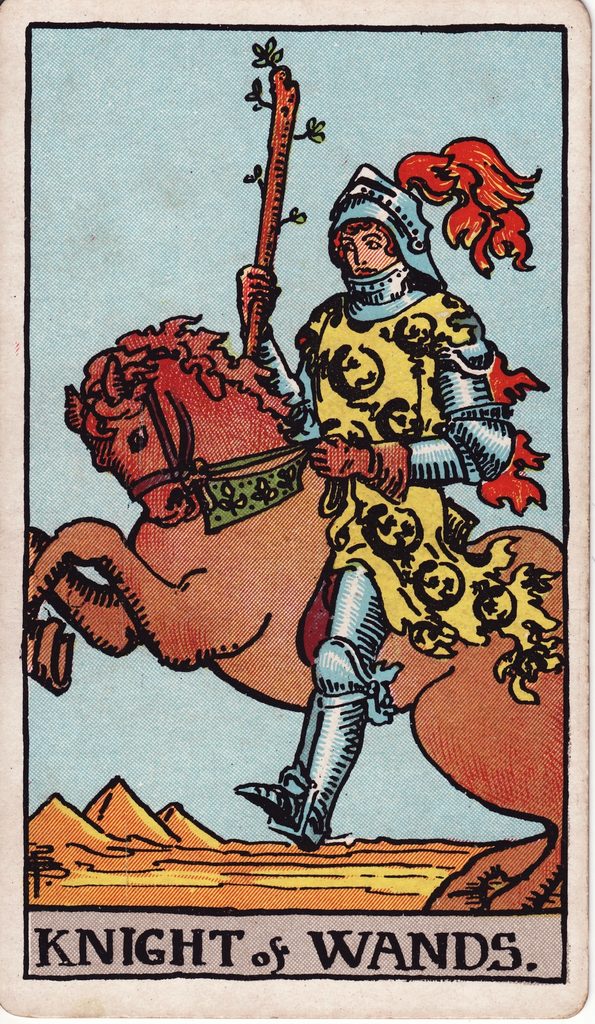
7. Knight of Wands Reversed: Inconsistency
The Knight of Wands is often associated with enthusiasm, movement, confidence, and passion. Reversed, some interpretations emphasise impulsiveness, impatience, or inconsistent effort.
In a relationship context, this may resemble a connection that feels exciting one day and distant the next. That inconsistency may be upsetting, but the card cannot identify its cause.
Rather than labelling someone unfaithful, consider whether their actual behaviour meets your needs.
Reflection question: “Do their actions consistently match their promises?”
Do Card Combinations Confirm Cheating?
No. Drawing several cards associated with secrecy or pain does not turn a tarot reading into evidence.
For example:
| Card combination | A possible reflective theme |
|---|---|
| Seven of Swords + The Moon | Avoided conversations and uncertainty |
| Three of Swords + The Lovers reversed | Emotional pain connected with differing expectations |
| The Devil + Knight of Wands reversed | Impulsive behaviour or repeating unhealthy patterns |
| Three of Cups reversed + The Lovers reversed | Tension around social boundaries or shared priorities |
These are possible interpretations, not findings about your partner. The question, spread position, and reader’s approach all influence how cards are understood.
Better Tarot Questions When You Feel Suspicious
Instead of repeatedly asking, “Is my partner cheating?”, try questions that help you understand your own needs and choices:
- What is making me feel insecure in this relationship?
- Which concern do I need to discuss openly?
- What boundary would help me feel respected?
- How might past experiences be affecting my interpretation?
- What constructive step can I take next?
A simple three-card spread can help:
Card 1 — My feelings: What emotion needs my attention?
Card 2 — My needs: What do I need from this relationship?
Card 3 — My next step: What practical action can I consider?
Use the cards as journaling prompts, then assess your next step against real circumstances.
What Should You Do After a Difficult Reading?
Pause before making an accusation. Write down the difference between what you have observed, what you fear, and what the cards brought to mind.
If a conversation feels safe, focus on specific experiences. For example:
“We have been spending less time together lately, and I feel disconnected. Can we talk about how things are between us?”
That creates more room for understanding than saying, “The cards told me you are cheating.”
You can take your feelings seriously without treating a reading as proof. You can also ask for honesty, consistency, and respect without needing a tarot card to justify those needs.
A Reading Should Help You Reflect
Tarot can offer a thoughtful space to explore relationship concerns. Its value lies in the questions it helps you ask—not in declaring someone guilty.
For a relationship-focused tarot session with Konica Khurana, visit konicakhurana.com. Explore your feelings, boundaries, and choices through a reflective reading.