Tarot card reading is a form of spiritual guidance and self-reflection that uses a deck of tarot cards to explore questions, emotions, situations, and possible paths in life. For centuries, tarot cards have been used as a tool for gaining perspective and understanding patterns that may not always be easy to recognize in everyday life.

For beginners, tarot can seem mysterious at first. However, learning the basics of tarot card reading is much simpler than it may appear. Each tarot card carries traditional symbols, themes, and meanings that can be interpreted according to the question, position of the card, and overall reading.

Whether you are curious about love, relationships, career, personal growth, or your future, understanding how tarot works can help you approach a reading with greater clarity and confidence.

What Does Tarot Card Reading Mean?

Tarot card reading is the practice of using tarot cards to interpret symbolic messages and gain insight into a particular situation or question.

A traditional tarot deck contains 78 cards, divided into two main sections:

  • 22 Major Arcana cards
  • 56 Minor Arcana cards

The Major Arcana generally represents important life themes, personal lessons, transitions, and significant experiences. The Minor Arcana focuses more on everyday situations, emotions, actions, relationships, and practical matters.

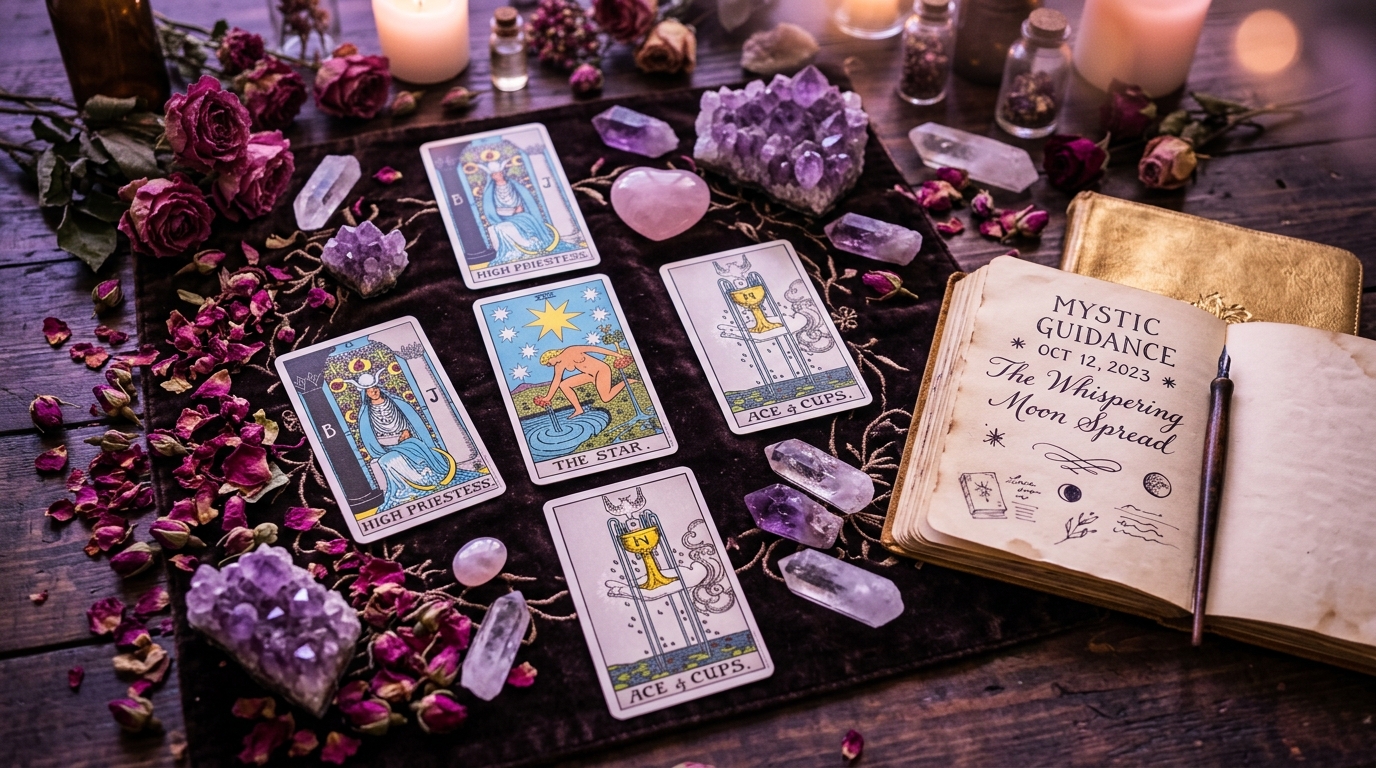
During a tarot reading, cards are selected from the deck and placed in specific positions known as a tarot spread. Each position has a particular purpose, and the meaning of the card can change depending on where it appears and how it relates to the other cards.

How Does Tarot Reading Work?

A tarot reading usually begins with a question or intention.

The question could be about:

  • Love and relationships
  • Career and professional decisions
  • Finances
  • Personal development
  • Family matters
  • Emotional challenges
  • Important life choices
  • Spiritual growth

The reader then shuffles the tarot deck and selects cards. These cards are interpreted individually and together to create a meaningful picture of the situation.

Tarot does not have to be viewed as a fixed prediction of what will happen. Many people use tarot as a reflective tool that helps them look at circumstances from a different perspective.

Understanding the 78 Tarot Cards

To learn tarot card reading, it is important to understand the basic structure of the deck.

The Major Arcana

The Major Arcana consists of 22 cards, beginning with The Fool and ending with The World.

These cards often represent major themes and turning points in a person’s life.

Some well-known Major Arcana cards include:

  • The Fool
  • The Magician
  • The High Priestess
  • The Empress
  • The Emperor
  • The Lovers
  • The Chariot
  • Strength
  • The Hermit
  • Wheel of Fortune
  • Justice
  • The Hanged Man
  • Death
  • Temperance
  • The Devil
  • The Tower
  • The Star
  • The Moon
  • The Sun
  • Judgement
  • The World

A Major Arcana card in a reading may suggest that the subject is connected with an important lesson, transition, or broader life theme.

The Minor Arcana

The 56 Minor Arcana cards are divided into four suits:

  • Wands
  • Cups
  • Swords
  • Pentacles

Each suit traditionally represents a different area of experience.

Wands are often associated with energy, creativity, ambition, passion, and action.

Cups are connected with emotions, relationships, intuition, and matters of the heart.

Swords commonly represent thoughts, communication, decisions, challenges, and mental activity.

Pentacles are associated with work, money, material matters, stability, and practical life.

Understanding these four suits makes it easier for beginners to recognize the broader themes within a tarot reading.

What Are Tarot Card Meanings?

Every tarot card has traditional interpretations, but tarot card meanings are not always limited to one definition.

For example, The Sun is commonly associated with positivity, confidence, clarity, joy, and success. However, its specific meaning can depend on the question being asked and the other cards surrounding it.

This is why effective tarot reading involves more than memorizing 78 definitions.

A reader considers:

  1. The traditional meaning of the card
  2. The question being asked
  3. The position of the card in the spread
  4. The surrounding cards
  5. The symbolism and imagery
  6. The overall theme of the reading

Over time, beginners can develop their own understanding of the cards while continuing to learn traditional tarot interpretations.

What Is a Tarot Spread?

A tarot spread is a particular arrangement of cards used during a reading.

Different spreads are designed for different purposes.

One-Card Tarot Reading

A one-card reading is one of the easiest tarot spreads for beginners.

It can be used for questions such as:

“What should I focus on today?”

or

“What energy surrounds me right now?”

The single card provides a central theme for reflection.

Three-Card Tarot Spread

The three-card spread is another popular choice for beginners.

Cards can represent:

  • Past – Present – Future
  • Situation – Challenge – Advice
  • Mind – Body – Spirit
  • You – Other Person – Relationship

The exact positions can be adapted according to the purpose of the reading.

Larger Tarot Spreads

More advanced readers may use larger spreads containing several cards. One of the most famous examples is the Celtic Cross, which provides a detailed look at different aspects of a situation.

Beginners do not need to start with complicated spreads. Developing confidence with simple readings is often a better way to learn.

What Is a Tarot Reading Used For?

People consult tarot for many different reasons.

Love and Relationships

Love tarot readings can explore relationship dynamics, emotional patterns, communication, compatibility, and possible areas of growth.

A tarot reading can encourage someone to consider questions such as:

  • What is happening in my relationship?
  • What emotional pattern should I understand?
  • How can I improve communication?
  • What should I focus on in my love life?

Career and Money

Career tarot readings can be used for reflection around professional choices, opportunities, challenges, and goals.

For example:

“What should I consider before making this career decision?”

This type of question encourages insight rather than simply seeking a yes-or-no prediction.

Personal Growth

Tarot can also be used as a self-reflection practice.

Cards may encourage you to examine your beliefs, habits, fears, strengths, and goals.

Upright and Reversed Tarot Cards

Tarot cards may appear upright or reversed.

An upright card is positioned normally, while a reversed card appears upside down.

Some readers use reversed meanings to explore a different expression of a card. Depending on the reader’s approach, a reversed card may represent:

  • Blocked energy
  • Internal rather than external experiences
  • Delays
  • An imbalance
  • A lesson that needs attention

Not every tarot reader uses reversed cards. Beginners can start with upright cards and introduce reversals later if they find the approach useful.

Can Beginners Learn Tarot Card Reading?

Absolutely.

You do not need to memorize all 78 tarot cards before performing your first reading.

A simple way to begin is:

Step 1: Learn the Structure of the Deck

Understand the difference between the Major Arcana and Minor Arcana.

Step 2: Learn the Four Suits

Become familiar with Wands, Cups, Swords, and Pentacles.

Step 3: Start With One-Card Readings

Pull one card each day and write down what you notice about its imagery and traditional meaning.

Step 4: Practice Three-Card Spreads

Once you are comfortable with individual cards, begin combining their meanings.

Step 5: Keep a Tarot Journal

Write down your questions, cards, interpretations, and later observations.

A tarot journal can help you recognize patterns and develop your own relationship with the cards.

How Should You Ask a Tarot Question?

The quality of a tarot reading can often improve when the question is clear and focused.

Instead of asking:

“Will I be successful?”

you might ask:

“What should I understand about my current career path?”

Instead of:

“Does this person love me?”

you could ask:

“What should I understand about the emotional dynamics of this relationship?”

Open-ended questions can provide more room for reflection and interpretation.

Is Tarot the Same as Fortune Telling?

Tarot is often associated with fortune telling, but different readers approach tarot in different ways.

Some readers use tarot as a predictive practice, while others primarily use it for reflection, spiritual exploration, personal insight, and decision-making.

A tarot reading should not replace professional advice in areas such as medical, legal, or financial matters.

Instead, tarot can be approached as a tool for exploring possibilities, emotions, perspectives, and personal choices.

Why Do People Find Tarot Helpful?

One reason people are drawn to tarot is that the cards provide a visual language for thinking about complex situations.

When we are emotionally involved in a situation, it can sometimes be difficult to see it objectively. Tarot imagery can encourage us to pause and consider another perspective.

For many people, tarot becomes a combination of:

  • Reflection
  • Intuition
  • Symbolism
  • Self-exploration
  • Spiritual practice
  • Personal guidance

The value of a reading can therefore come from the questions it encourages you to ask about yourself and your situation.

Final Thoughts on Tarot Card Reading

Tarot card reading is much more than simply learning the meaning of individual cards. It is about understanding symbols, recognizing patterns, asking meaningful questions, and connecting different cards to create a broader interpretation.

For anyone beginning their tarot journey, start slowly. Learn the structure of the deck, explore the Major and Minor Arcana, practice simple tarot spreads, and keep a journal of your readings.

With regular practice, you can become more comfortable interpreting tarot cards and developing your own reading style.

Whether you are exploring tarot for beginners, love tarot, career tarot, daily tarot readings, or traditional tarot card meanings, the most important part of the process is approaching each reading with an open and thoughtful mind.

Frequently Asked Questions About Tarot Card Reading

What is tarot card reading?

Tarot card reading is a practice that uses a deck of 78 tarot cards to explore questions, situations, emotions, and possible perspectives through symbolism and interpretation.

How many cards are in a tarot deck?

A traditional tarot deck contains 78 cards: 22 Major Arcana cards and 56 Minor Arcana cards.

Can a beginner learn tarot reading?

Yes. Beginners can learn tarot by understanding the structure of the deck, studying card meanings, practicing simple spreads, and keeping a tarot journal.

What is the easiest tarot spread for beginners?

A one-card reading is usually the simplest place to start. A three-card tarot spread is another excellent option once you become comfortable with individual cards.

Can tarot cards predict the future?

Different tarot practitioners have different beliefs. Tarot may be used for predictive readings, but many people use it primarily for reflection, insight, and exploring possible paths rather than treating the future as fixed.

Do tarot cards have the same meaning in every reading?

Not necessarily. Traditional meanings provide a foundation, but the meaning of a card can change depending on the question, spread position, surrounding cards, and context of the reading.